
Does Your Child Need Early Orthodontic Treatment? A Parent's Second-Opinion Guide
A calm, evidence-based guide for parents told their young child needs expansion plates or early braces. What an intraoral 3D scan can show, what it cannot, and the questions to ask before starting Phase 1 treatment.
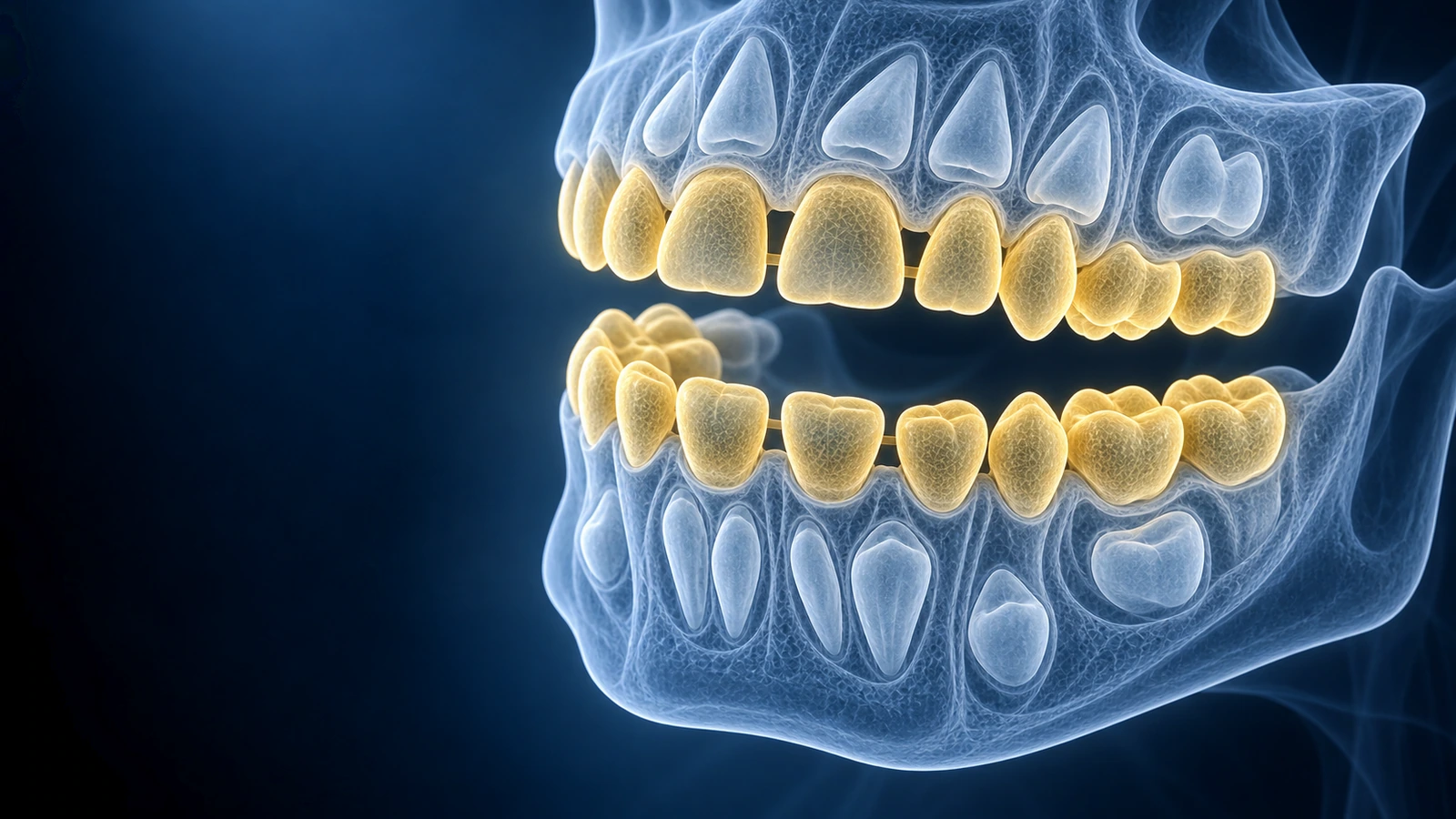
Being told your five- or six-year-old needs expansion plates and a multi-stage plan to “prepare the jaw” is unsettling. Early orthodontic treatment is sometimes genuinely helpful, but it is also one of the areas where a calm second opinion changes the plan most often. This guide explains what a digital scan of your child’s teeth can and cannot tell you, and how to ask the right questions before committing.
The honest summary from the research is that early treatment evidence is mixed and highly timing-dependent. The American Association of Orthodontists recommends a first evaluation by age 7, but for most children that visit ends with “everything looks fine, let’s monitor.” A clear clinical reason — such as a posterior crossbite, a skeletal problem, or an airway concern — should be named before Phase 1 treatment starts.
What an intraoral 3D scan (STL) actually shows
A digital intraoral scan is a 3D model of the visible surfaces of the teeth and gums. It is excellent for measuring tooth position and the things you can see in the mouth, and it is the same data orthodontists use for planning. From the surface alone you can reasonably assess:
- Whether the teeth are primary (baby), mixed, or permanent
- Spacing versus crowding — in young children, gaps are usually normal and good
- Bite signs: crossbite, open bite, deep bite, overjet, and midline shift
- Arch shape and left-right symmetry of the dental arch
- Tooth wear, chips, and visible surface anomalies
What a surface scan cannot show — and why it matters here
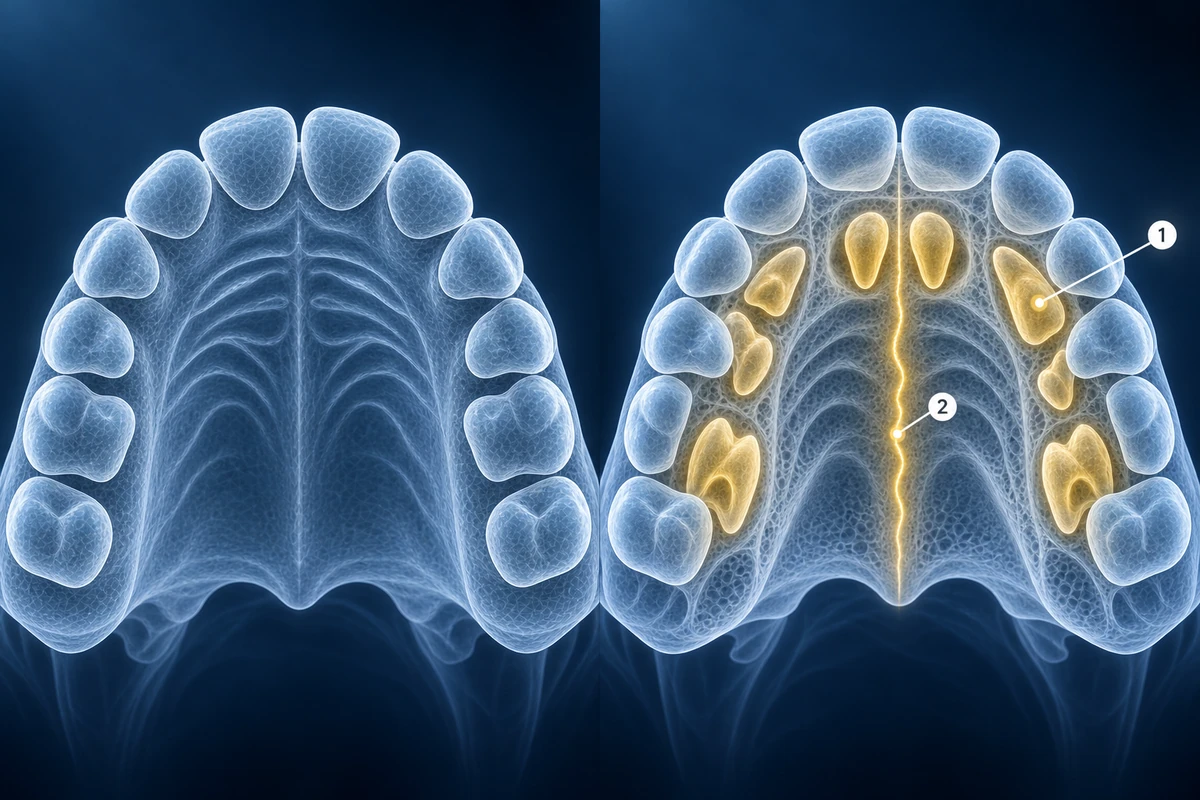
The factors that actually justify an expander are mostly invisible on a surface scan. Skeletal jaw width, the midpalatal suture, the airway, and the position of unerupted adult teeth all require a panoramic X-ray or CBCT. This is the key point for a second opinion: a surface scan can show a crossbite, but it cannot prove that a plate is the right answer. If a plan rests on “narrow jaw” or “no room for adult teeth,” ask to see the radiograph that supports it. See what a 3D surface scan (STL) can read, and how a child’s panoramic X-ray shows the developing teeth a scan cannot.
How the AI consortium helps a parent
When you upload the scan, several leading AI models each describe what they see from multiple camera angles, and their findings are combined into one structured summary. The value is not a diagnosis — it is a calm, written, jargon-free description plus a list of specific questions to ask, so you walk into the appointment informed rather than anxious. For a child’s surface scan it explicitly flags the dentition stage and treats normal developmental spacing as normal, not a defect. Your files never leave your browser; only rendered images are analyzed.
Get a structured second opinion on your child’s scan
Upload the intraoral STL scan, see it rendered in 3D, and get a multi-model description with questions to ask your orthodontist. Private, in your browser, not a diagnosis.
Analyze a Dental ScanKey Takeaways
- Early-treatment evidence is mixed; “monitor and review” is a valid plan
- In young children, spacing between baby teeth is usually normal
- A surface scan shows the bite, but not the skeletal width that justifies a plate
- Ask what problem is treated, what happens if you wait, and which X-ray confirms it
Frequently Asked Questions
My dentist says my young child needs expansion plates. Should I get a second opinion?
A second opinion is reasonable whenever early, long, or elaborate treatment is proposed, especially before the adult teeth and jaw have developed. Studies of parent-initiated second opinions found the treatment plan changed in a meaningful share of cases. Asking is not rude — a responsible orthodontist welcomes it.
Are gaps between my child’s baby teeth a problem?
Usually the opposite. Spacing in the primary dentition is generally a good sign, because it leaves room for the larger permanent teeth that erupt later. Crowding of baby teeth is more likely to signal future space issues than gaps are.
Can an AI tell me if the treatment is necessary?
No, and any tool that claims to is overstepping. AI analysis of a surface scan can describe what is visible and help you prepare precise questions, but the decision to treat depends on a clinical exam, growth assessment, and radiographs that a surface scan does not contain.
What records should I ask for?
Request the digital intraoral scan (STL files), a panoramic X-ray, and any CBCT or cephalometric film. Together these show the surface, the developing teeth, and the skeletal relationships an expansion decision actually depends on.
Ready to analyze your imaging? Upload your MRI or X-ray for AI-powered analysis
Upload your MRI or X-ray DICOM files for private, AI-powered analysis. 4 models analyze independently — raw scan files stay in your browser.
Start AnalysisMedical Disclaimer: This page is for informational and educational purposes only. It does not constitute medical advice, diagnosis, or treatment. AI-generated analysis may contain errors. Always consult a qualified healthcare professional for medical decisions. Full Disclaimer